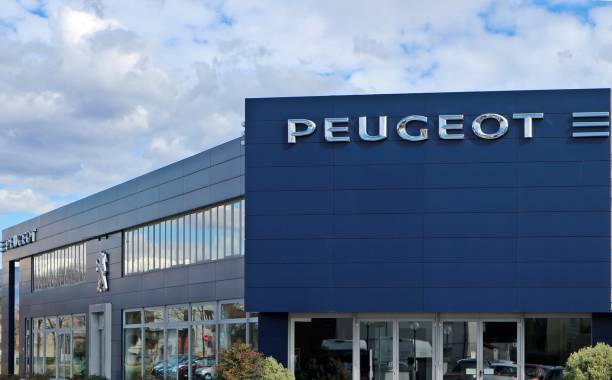
Italy’s once‑robust automotive sector — rooted in iconic brands, manufacturing tradition and European market leadership — is navigating a tumultuous period as it adapts to sluggish demand, electrification pressures and global competition. Recent industry data and developments highlight both challenges and emerging opportunities for Italy’s carmakers and market as we progress into 2026.
Production Slump at Stellantis Signals Industry Strain
Italy’s largest auto manufacturer, Stellantis, has experienced a dramatic drop in vehicle output, reflecting broader stress in domestic production. In 2025, Stellantis’ Italian production fell about 20% year‑on‑year to roughly 380,000 vehicles, the lowest total since the mid‑1950s, according to union sources and Reuters reporting. Passenger car output alone declined sharply, deepening concerns about Italy’s manufacturing base and competitiveness.
The decline contrasts sharply with government ambitions, such as a earlier goal to raise annual production to 1 million units — a target now appearing increasingly distant. While some model launches (like a hybrid Fiat 500 and new Jeep Compass) eased the downturn somewhat, overall output reflects weak demand and delayed new model introductions.
New‑Car Market Struggles, Hybrid Models Lead
Italy’s new‑car market showed signs of a tentative rebound in late 2025, with year‑end registrations slightly up and a boost in electrified vehicles thanks to purchase incentives. In December 2025, total EV registrations — both full battery‑electric (BEV) and plug‑in hybrid (PHEV) — climbed significantly, with BEV monthly share reaching approximately 11.2 %, nearly double typical levels earlier in the year.
Yet despite this year‑end surge, Italy’s overall EV market share remains among the lowest in major European markets, limiting broader electrification progress. Hybrid powertrains, including both full and mild versions, continued to command the largest share of new registrations in 2025, a trend that underscores Italian customers’ preference for transitional technologies as fully electric options remain less accessible or attractive for many buyers.
Government Incentives Seek to Boost EV Adoption
To address the slow uptake of pure electric vehicles, Italy launched a €600 million incentive program under its National Recovery and Resilience Plan in 2025. The scheme offers significant purchase subsidies — up to around €10,000 for private buyers and up to €20,000 for small businesses — tied to scrappage of older internal‑combustion vehicles.
These incentives have helped push BEV registrations higher and improve the availability of stock‑ready units, though their long‑term effectiveness depends on broader charging infrastructure development and consistent policy support.
Electrification Transition and Industry Restructuring
Italian automakers are grappling with the industry’s broader shift toward electric mobility. Stellantis, for example, has adjusted factory plans originally intended for a standalone BEV gigafactory, scaling back to focus on hybrid production infrastructure instead.
In addition to restructuring outputs, some companies are seeking to rebalance their workforce and skills. Strategies include voluntarily exiting older roles to make room for engineers with expertise in software, battery systems and electrification technologies, aligning with long‑term product plans that target a growing lineup of electrified models through 2030.
Competitive Pressures and Market Dynamics
The Italian market’s challenges are not unique, but they are intensified by strong competition from overseas manufacturers, particularly from Chinese EV makers and global rivals who offer highly competitive pricing and growing model availability in Europe. This competitive pressure has contributed to concerns about future investment and production trends within Italy’s automotive supply chain and manufacturing base.
Outlook: Revitalisation Hinges on Policy and Innovation
As Italy heads further into 2026, the auto industry stands at a crossroad. Recent gains in electrified vehicle uptake and government incentives offer optimism, but long‑term revival will depend on sustained policy clarity, investment in charging infrastructure, and successful new model launches that resonate with consumer demand.
Stellantis’ production slump highlights the urgency of strategic adaptation, while the growing share of electrified vehicles — particularly hybrids and BEVs — points to the transformative potential of a more electrified Italian automotive landscape. Balancing legacy industry strengths with innovation, and attracting diverse global investment, remain key for Italy’s auto industry to regain momentum.