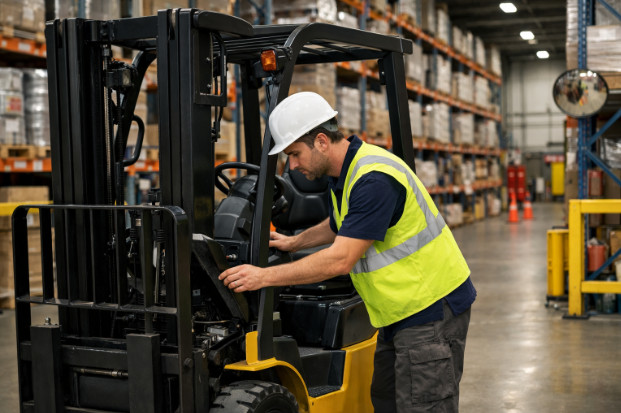
Operating forklifts in warehouse environments demands a disciplined approach to safety. When safety becomes an ingrained habit, accidents and injuries are greatly reduced, keeping employees and equipment secure. Every worker, whether operating machinery or navigating as a pedestrian, can benefit from learning and applying forklift best practices. For those seeking to enhance workplace safety or meet regulatory requirements, obtaining a forklift certification is a crucial step.
Forklifts are powerful but potentially hazardous machines. Following specific safety guidelines is not only a regulatory requirement but also a responsible practice in any modern warehouse facility. Following these protocols minimizes workplace hazards and sets everyone up for a successful shift.
Training and Certification
Proper training and certification form the backbone of warehouse safety. Only workers who have completed an accredited training program should operate forklifts. This requirement is mandated by the Occupational Safety and Health Administration (OSHA), which outlines specific training methods, evaluation procedures, and vehicle distinctions. Certification must also be renewed if an operator demonstrates unsafe behavior or changes workplace roles. The comprehensive training approach ensures that operators understand both the vehicle and the environment in which it is used. For further guidance on OSHA’s forklift training standards, visit the OSHA Training Assistance page.
Refresher courses and periodic assessments are also essential tools to help forklift operators retain crucial knowledge. Regular review of procedural changes, updated safety technology, and new equipment encourages ongoing proficiency. Many workplaces also implement a mentorship system, pairing new or less experienced operators with seasoned personnel to strengthen safe habits from the outset. In addition, employers may incorporate safety quizzes or interactive e-learning modules to keep warehouse professionals up to date with the latest regulations and best practices.
Pre-Operation Inspections
Inspecting the forklift before every shift helps identify mechanical issues before they escalate. Operators should check for visible damage, fluid leaks, and faulty brakes. The tires should be in good condition, and all warning devices, like horns, should be functioning. If any issues appear, report them immediately and never operate a compromised forklift. High-quality inspections protect workers, stock, and warehouse infrastructure.
In some workplaces, digital checklists streamline the daily inspection process, enabling more accurate and timely reporting of maintenance issues. Designating a logbook, whether paper or online, ensures that inspection records are maintained for audits or incident investigations. Addressing even minor concerns early helps prevent inconvenient downtime and costly repairs, reinforcing the importance of adhering strictly to pre-operation checks.
Load Management
Correctly managing loads prevents many of the most common forklift accidents. Never exceed the equipment’s rated capacity, and balance every load as close to the vehicle’s front wheels as possible. Always check that loads are properly secured. Distributing the weight evenly across the forks helps keep the forklift stable while in motion. Operators should also use extra caution when handling irregularly shaped or oversized items. For more information on safe load handling, review the resources on the OSHA Operating the Forklift page.
It’s equally vital to avoid stacking loads too high, as this can obstruct the driver’s view and significantly reduce stability. When handling hazardous materials, operators should consult material safety data sheets (MSDS) and handle them with additional care, wearing appropriate personal protective equipment (PPE) as needed. Communicating with nearby staff before moving large or awkward loads helps prevent accidents caused by miscommunication or poor visibility.
Safe Operating Practices
Every operator must follow safety protocols when using a forklift. This includes always buckling up, driving at safe speeds, and avoiding sudden stops or sharp turns. If picking up or placing a load, ensure the forks are properly positioned before moving or lifting. Operators must remain vigilant, particularly on loading docks, near ramps, and in areas with limited visibility. Use horns when rounding blind corners or approaching busy intersections. Safe practices not only prevent accidents but also build a culture of caution throughout the warehouse.
In addition, operators should never use a forklift to elevate themselves or another person unless the forklift is equipped with a proper personnel platform. Horseplay or inattentive driving is strictly prohibited. Adhering to posted speed limits and remaining aware of surroundings at all times helps foster a sense of collective responsibility and trust among team members on the warehouse floor.
Pedestrian Safety
A safe warehouse environment requires collaboration between drivers and pedestrians. Operators should anticipate unpredictable foot traffic and maintain a clear view of their path at all times. Warehouses should use marked walkways, barrier systems, and clear signage to separate pedestrian and forklift routes. Employers can also minimize risk with regular safety briefings and training for both operators and non-operators, emphasizing the importance of communication and awareness on the warehouse floor.
Alongside physical barriers, audible warnings, and visual alert systems such as flashing beacons, these measures can further improve pedestrian safety, especially in high-traffic zones. Ensuring crossing points are well-lit and free of obstructions also helps reduce the likelihood of collisions. Encouraging all staff to make eye contact with forklift operators before crossing shared pathways can further reinforce safe behaviors and mutual awareness in busy warehouse environments.
Environmental Awareness
A clean, organized, and well-maintained space helps keep everyone safe. Forklift operators should watch for slippery floors, low-hanging pipes or fixtures, and cluttered aisles. Sudden changes in floor grading, such as ramps or rough patches, can cause loss of control if not navigated carefully. Always slow down and remain alert when moving between different areas of the warehouse, especially in zones with unique environmental hazards.
Regular housekeeping routines, including sweeping and removing debris, play an essential role in reducing hazards. Proper storage of hazardous substances and routine checks for adequate lighting help maintain operational safety. Seasonal changes, such as rain or snow tracked into the warehouse, should prompt heightened vigilance and proactive measures, such as deploying mats or posting warning signage to highlight slippery conditions.
Maintenance and Repairs
Routine maintenance is crucial for dependable equipment performance. Machines should never be used if a safety or mechanical concern is discovered during a pre-use inspection. Out-of-service forklifts should be repaired by qualified personnel before returning to use. Well-maintained forklifts are less prone to unexpected breakdowns, protecting both workers and inventory from harm.
Establishing a structured preventative maintenance schedule ensures that all major forklift components, such as hydraulics, batteries, and controls, receive timely attention and servicing. Adherence to manufacturer-recommended service intervals and documentation of all performed repairs can extend equipment lifespan, reduce costs, and significantly enhance overall warehouse safety and efficiency.
Emergency Procedures
Preparedness minimizes the impact of incidents when they occur. Warehouses must develop and regularly review emergency protocols, including evacuation routes, reporting systems, and first aid procedures. Training all employees on these systems, along with scheduled drills, ensures swift action in the event of an emergency. Everyone should know how to respond if involved in or witnessing an accident, fire, or other hazardous event.
Effective emergency preparedness also means posting clear emergency contact information, strategically locating first-aid kits and fire extinguishers, and designating staff as trained first responders. Periodic reviews and updates to emergency plans, informed by lessons learned from drills or real incidents, help to ensure continuous improvement. Cultivating a proactive safety mindset among all employees empowers individuals to act confidently and efficiently in critical situations.
Adopting these forklift safety measures creates a robust safety culture in any warehouse. With proper training, routine inspections, and adherence to best practices, employers and employees can work efficiently while dramatically reducing the risks of workplace accidents and injuries. Ongoing education and a commitment to maintaining high standards are essential for a safer, more productive warehouse environment.