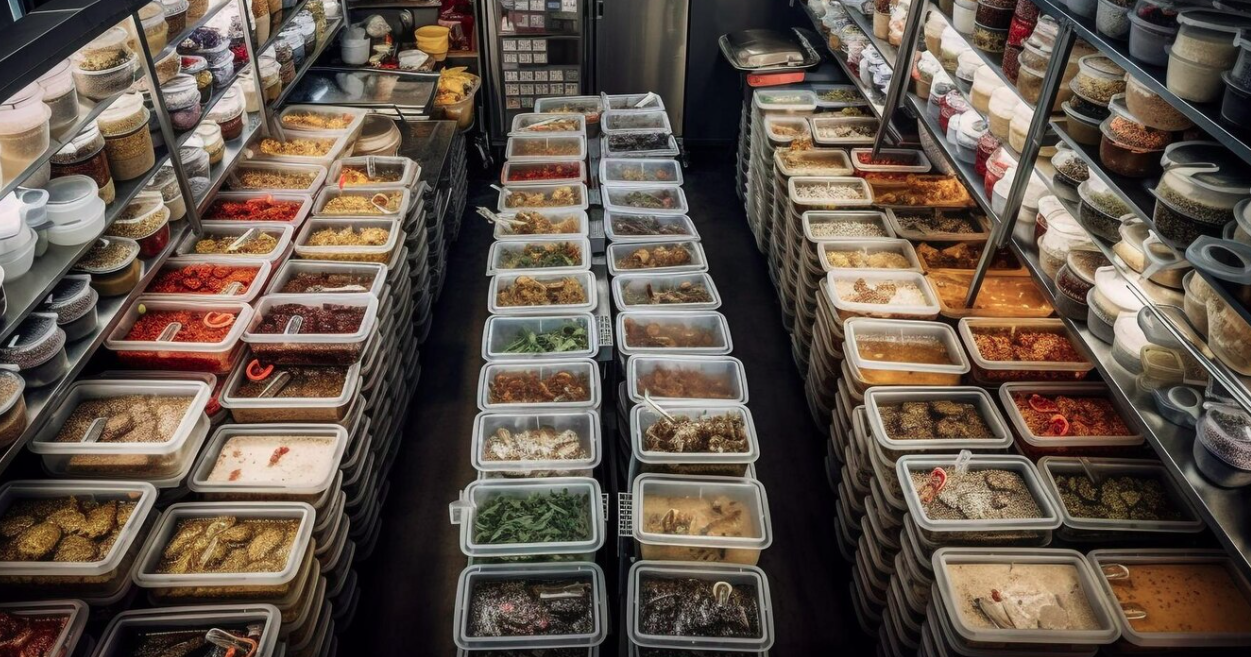
The success of a modern food service business often hinges on the quality and reliability of its supply chain. Whether you are running a busy café, a corporate cafeteria, or a hotel, the ability to serve consistent and high-quality meals is essential for maintaining customer satisfaction.
Partnering with the right provider for wholesale prepared foods allows business owners to reduce labor costs and minimize kitchen waste while still offering a diverse menu.
However, with numerous vendors in the market, selecting the ideal partner requires a rigorous evaluation process that covers safety, logistics, and culinary standards. Here are five critical factors to consider when choosing a supplier to support your business operations.
1. Quality Consistency and Culinary Standards
The most vital aspect of any food partnership is the taste and presentation of the products. When you source wholesale prepared foods, you are essentially trusting another kitchen to represent your brand.
It is important to request samples and conduct thorough taste tests to ensure that the flavors align with your customers’ expectations. Beyond initial samples, investigate the supplier’s ability to maintain that same level of quality over thousands of units.
A reputable supplier should have standardized recipes and rigorous quality control measures in place to prevent variations in texture, seasoning, or appearance across different batches.
2. Food Safety Certifications and Compliance
Safety is a non-negotiable factor in the food industry. A professional supplier must adhere to strict international food safety standards, such as HACCP or other recognized certifications. Inquire about their internal auditing processes and how they handle ingredient sourcing and allergen control.
When dealing with wholesale prepared foods, the risk of cross-contamination must be zero. Checking a supplier’s history of health inspections and their recall protocols provides peace of mind that the products entering your kitchen are safe for public consumption and compliant with all local health regulations.
3. Reliability of Delivery and Cold Chain Logistics
The integrity of prepared meals depends heavily on how they are transported. A breakdown in the cold chain can lead to spoilage or reduced shelf life, resulting in significant financial losses. Evaluate the supplier’s logistics network and the technology they use to monitor temperatures during transit.
Timeliness is equally important; a delay in delivery can disrupt your entire service schedule. Look for a partner who has a proven track record of punctuality and offers a transparent tracking system so you can manage your inventory levels with high precision and confidence.
4. Menu Diversity and Customization Options
Market trends shift rapidly, and your menu must be able to adapt to stay competitive. A great provider of wholesale prepared foods should offer a wide range of options that cater to various dietary preferences, such as vegan, gluten-free, or low-sodium choices.
Furthermore, consider whether the supplier is willing to work with you on custom formulations that are exclusive to your brand. Having the flexibility to request seasonal items or unique flavor profiles allows you to differentiate your business from competitors who might be using standard, off-the-shelf products.
5. Scalability and Production Capacity
As your business grows, your demand for inventory will naturally increase. It is essential to choose a supplier who can scale their production without compromising on quality or delivery speed.
Ask about their maximum production capacity and how they handle sudden surges in orders during peak seasons or holidays. A supplier that is currently operating at near-maximum capacity may not be the best long-term partner if you have aggressive growth plans.
Ensuring that your supplier can grow alongside you prevents the need for a disruptive search for a new vendor in the future.