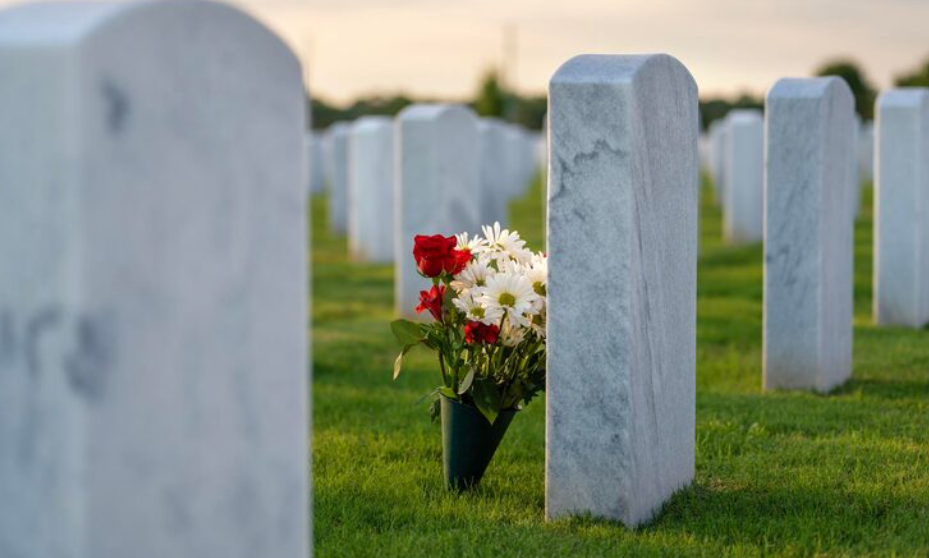
Losing a loved one is one of the most difficult experiences in life. Families often look for meaningful ways to keep the memory of that person alive. One of the most respected and lasting ways to do this is through memorials. Memorials are not only physical structures or places, but they also represent love, respect, and remembrance. They help families cope with loss while keeping the connection with their loved ones strong in their hearts.
The Meaning and Purpose of Memorials
Memorials are created to honor and remember someone who has passed away. They can take many forms, such as gravestones, plaques, statues, gardens, or even online pages. The main purpose of memorials is to preserve the memory of a person in a respectful and lasting way. They give families a place where they can reflect, pray, or simply feel close to their loved one.
Memorials also serve as a reminder of the life that was lived. They tell a story about the person, their values, and the impact they had on others. In this way, memorials become more than just objects; they become symbols of love and remembrance.
Emotional Comfort for Families
One of the most important roles of memorials is providing emotional comfort. Grief can feel overwhelming, and families often struggle with the feeling of loss. Having a memorial gives them a physical place to visit when they want to feel connected again.
When family members visit a memorial, they often find peace in remembering happy moments. It allows them to express emotions, whether through silence, prayer, or reflection. This emotional connection helps people slowly heal while still honoring the memory of their loved one.
Keeping Memories Alive for Future Generations
Memorials also play a key role in passing memories from one generation to the next. Children and grandchildren may not have known the person well, but a memorial helps them understand who they were and why they were important.
Through stories shared at memorials, younger family members learn about their heritage and family history. This helps keep the memory of the loved one alive over time. It also strengthens family bonds by creating a shared space for remembrance.
A Place for Reflection and Respect
Memorials provide a peaceful place where people can reflect on life and death. In a busy world, having a quiet space dedicated to someone’s memory allows families to slow down and think about what truly matters.
These spaces encourage respect and appreciation for life. People often use memorials to remember not only the person who passed away but also the lessons and values they left behind. This reflection can bring a deeper sense of understanding and gratitude.
Community and Shared Memory
Memorials are not only important for families but also for communities. Friends, neighbors, and others who knew the person can also visit and pay their respects. This shared experience helps build a sense of unity and support among people who are grieving.
In many cases, memorials become a part of the community’s identity. They remind everyone of the contributions and positive impact the person made during their life.
Conclusion
Memorials hold deep emotional and cultural importance. They help families preserve memories, find comfort, and honor their loved ones in a lasting way. More than just physical structures, memorials are symbols of love, respect, and remembrance. They connect the past with the present and ensure that the memory of a loved one continues to live on in the hearts of future generations.