Key Takeaways
- Compressed air can support brake charging, maintenance work, cleaning, and shop equipment throughout a rail yard.
- Demand reviews, accessible piping layouts, leak control, and preventive maintenance help reduce avoidable disruptions.
- Pressure readings, runtime, alarms, and repair records can reveal developing issues before they become urgent failures.
- Safe isolation, drainage, labeling, and coordination with yard operations are central to a reliable air system.
Compressed air is easy to overlook when it is available and working. In a busy rail yard, however, an unstable supply can slow brake-related work, limit tool performance, complicate maintenance, and force crews to adjust their plans. Well-planned railroad yard air systems help operations teams match equipment capacity and distribution to the work happening across tracks, shops, and service areas.
A dependable approach starts with understanding how air is used, when demand rises, and where the system is most vulnerable. Instead of reacting only after pressure drops or a compressor alarm, rail yard managers can use routine inspections, clear operating records, and coordinated maintenance windows to protect uptime.
Why Compressed Air Matters in Rail Yards
Rail yards may use compressed air to charge rail car brakes, power pneumatic tools, support maintenance tasks, clean work areas, and serve shop equipment. These uses do not always happen on the same schedule. Demand may change between shifts, during weather events, when several tracks require service, or when maintenance activity increases.
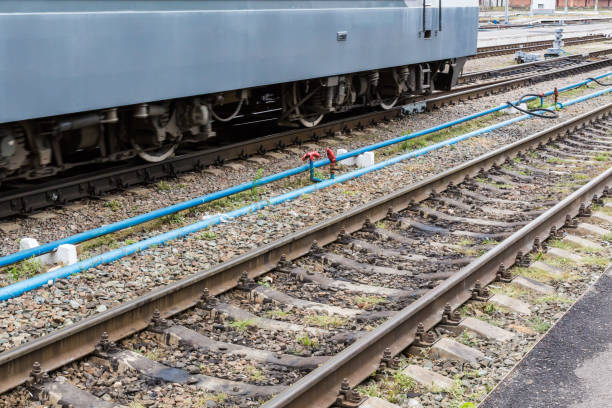
Modern facilities often combine tracks, cranes, vehicles, maintenance areas, lighting, controls, and other infrastructure in constrained operating spaces. For example, busy rail facilities can integrate tracks, handling equipment, and brake-charging air systems into a single operating environment. That makes outlet placement, protected pipe routing, and access for repairs especially important.
Start With a Clear Demand Review
Before selecting new equipment or expanding an existing system, map every compressed-air user. Record the pressure and airflow required for each end use, then identify which tasks can run simultaneously. Separate essential work from occasional uses so the team understands what must remain available during a disruption.
- List tools, outlets, brake-service connections, machines, and shop processes.
- Identify normal demand, peak demand, and the times those peaks occur.
- Note long-distance service points that may experience pressure loss.
- Include planned tracks, shop additions, and expected changes in workload.
- Review storage needs, compressor output, and control strategy.
Horsepower alone is not a complete sizing method. A system can appear adequate in normal conditions, but struggle when multiple users draw air at once. Reviewing actual demand, pressure requirements, storage capacity, and future growth provides a more useful basis for planning.
Photorealistic wide view of a working rail yard at golden hour, with freight cars on parallel tracks, a maintenance crew using pneumatic tools near a service area, and neatly routed compressed-air piping and labeled outlets visible in the foreground; warm directional sunlight, soft shadows, subtle atmospheric haze, realistic industrial detail, calm but purposeful mood.
Plan the Distribution Network Around the Yard
Air must arrive at the point of use with suitable pressure and quality. Long pipe runs, restrictive fittings, undersized sections, poorly located regulators, and poorly maintained hoses can all contribute to performance problems. Layouts should also account for train movements, cranes, vehicles, pedestrian routes, drainage, and changing work zones.
Place outlets where crews can safely reach them without stretching hoses across travel paths. Clearly mark pipe sections and install accessible isolation valves so maintenance can take one area out of service without unnecessarily affecting the whole yard. Design service access into the system from the beginning, including room for inspection, lighting, drainage, and safe movement around equipment.
Reduce Waste From Leaks and Poor Controls
Leaks can cause compressors to run longer than necessary, while excessive system pressure can hide the underlying cause of weak tool performance. A practical leak program gives workers an easy way to report issues, assigns ownership of repairs, and prioritizes defects based on their size, location, and operational importance.
- Inspect hoses, couplings, fittings, valves, drains, and unused outlets regularly.
- Tag and log leaks when they are found, rather than relying on memory.
- Repair high-risk leaks first, especially those near essential service points.
- Check filters, regulators, and piping restrictions before raising pressure.
- Review compressor controls when demand patterns change.
Maintenance teams can use planning tools to reduce leaks, stabilize pressure, manage storage, improve air quality, and support preventive maintenance, thereby structuring audits and improvement work. The most effective changes are usually based on observed conditions, not assumptions about where the problem starts.
Build a Practical Maintenance Schedule
Daily Checks
Inspect compressors and nearby equipment for unusual noise, heat, vibration, oil, visible damage, or warning messages. Check pressure readings, confirm drains are operating as intended, and walk critical distribution areas when it is safe to do so.
Monthly Checks
Review filters, hoses, fittings, belts, valves, and moisture-control equipment. Compare current pressure recovery, runtime, and alarms with earlier records. Repeated alarms or slower recovery after demand spikes should be added to the repair list and assigned to a responsible person.
Quarterly or Seasonal Checks
Review compressor loading patterns, backup equipment, emergency procedures, and components exposed to rain, dust, heat, ice, or vibration. Seasonal conditions may justify more frequent inspections at outdoor service points or in areas where drainage is difficult.
Use Data to Find Problems Earlier
Basic records can show a gradual decline that may not be obvious during a single shift. Establish a baseline when the system is operating normally, then capture pressure, temperature, runtime, energy use, airflow (where available), and alarm history at consistent intervals.
Look for rising energy use at similar operating conditions, recurring low-pressure reports at one location, frequent cycling, or repeated moisture complaints. Monitoring does not replace physical inspection. It gives maintenance and operations teams another way to set priorities and investigate problems before they interrupt work.
Protect Air Quality, Equipment Life, and Safety
Moisture, dirt, and oil can affect pneumatic tools and equipment. Match dryers, filters, drains, storage, and point-of-use treatment to the needs of each application. Outdoor components should be protected from the weather and located so workers can service them without entering unsafe areas.
Every installation and repair plan should address stored-energy hazards. Depressurize equipment before opening lines, follow applicable lockout/tagout procedures, clearly mark emergency shutoffs, and keep hoses and piping away from walkways and moving equipment. Coordinate service work with yard control, dispatch, and affected crews before isolating a section.
Common Planning Mistakes to Avoid
- Selecting equipment based solely on a single large tool rather than considering simultaneous demand.
- Ignoring future expansion, long runs, or service access.
- Increase pressure before checking for leaks, clogged filters, or restrictions.
- Failing to label valves and distribution sections.
- Keeping incomplete maintenance records in separate locations.
- Waiting for a full failure instead of planning repairs around operations.
Questions Rail Yard Managers Often Ask
How often should a rail yard inspect its compressed air system?
Daily visual checks, regular leak inspections, scheduled equipment service, and seasonal reviews are a practical starting point. The right interval depends on equipment instructions, operating hours, weather exposure, contamination risk, and the criticality of each air use to the yard.
Should a yard increase pressure when tools stop working well?
Not before investigating the cause. Check for leaks, clogged filters, faulty regulators, poor drainage, undersized piping, and unexpected simultaneous demand. Raising pressure may mask a problem while increasing system strain.
A Simple 2026 Action Plan
- Map air users and critical service points across the yard.
- Measure normal and peak demand.
- Inspect for leaks, restrictions, moisture, and pressure loss.
- Set a baseline for system performance.
- Repair urgent defects and improve access to valves and outlets.
- Create daily, monthly, and seasonal inspection lists.
- Review results quarterly with maintenance and operations staff.
Conclusion
Compressed air planning can support safer, more consistent rail yard operations. By understanding demand, designing for access, reducing leaks, protecting air quality, and using simple performance data, teams can address small issues before they become disruptive. The result is a system that is easier to maintain and better prepared for changing yard conditions.