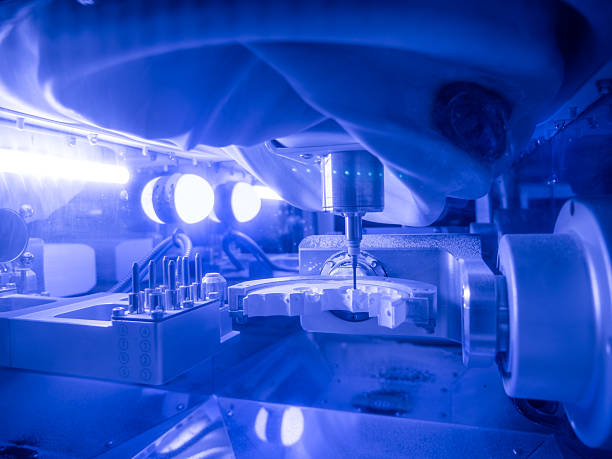
A CNC machine can follow a cutting program perfectly and still produce an inaccurate part if the material moves during machining. The way a workpiece is held affects everything from surface finish to hole placement and final dimensions. Proper workholding keeps the material stable without damaging it, allowing machinists to produce accurate parts with fewer setup errors and rejected components.
Secure Clamping Does Not Always Mean More Pressure
Clamping a workpiece tightly seems like the obvious way to prevent movement, but excessive force can create problems. Thin aluminum plates, hollow components, and delicate parts may bend under pressure, even before machining begins. A cutting tool then removes material from a temporarily distorted surface, causing the finished dimensions to change once the clamps are released. Experienced precision machining companies select clamping methods based on the material, part shape, and cutting forces rather than simply tightening everything as much as possible.
Soft jaws, adjustable supports, and carefully positioned clamps distribute pressure across suitable areas of the component. Machinists also consider where cutting forces will push the material during each operation. Supporting the workpiece near the cutting area helps prevent vibration without placing unnecessary pressure on thin sections. The goal is to hold the material firmly while preserving its original shape.
How Fixture Design Helps Maintain Accurate Part Positioning
A fixture does more than prevent a component from moving. It establishes reference points that determine where the cutting tool will remove material. Locating pins, stops, and precision surfaces help machinists position each workpiece consistently. Businesses searching for CNC machining near me should consider whether a shop uses repeatable fixture setups, particularly for parts requiring accurate hole patterns or features on multiple sides.
Custom fixtures become valuable when standard vises cannot hold irregular shapes securely. A curved casting, for example, may need a specially designed support that matches its surface without creating uneven pressure. Manufacturers providing machining services near me can use dedicated fixtures to reduce setup variation and maintain consistent positioning across repeated production runs.
Poor Workpiece Support Can Lead to Vibration and Surface Defects
Unsupported sections can flex as cutting tools move across the material, especially during heavy milling operations. This movement may create chatter, uneven tool marks, and dimensional errors. Long brackets, thin walls, and large plates are particularly sensitive because their unsupported areas can vibrate under cutting pressure. Reliable machining companies near me address these issues through fixture placement, additional support points, and suitable cutting strategies. Machinists may also reduce cutting depth or adjust toolpaths to limit pressure on flexible areas.
Reducing Setups Helps Prevent Alignment Errors
Each time a machinist removes and repositions a workpiece, there is another opportunity for small positioning differences. These differences can affect hole alignment, surface relationships, and features that must match across several faces. Well-designed workholding allows the cutting tool to reach multiple areas without unnecessary repositioning. Shops offering CNC services near me may use rotary fixtures, angle plates, or multi-axis machining setups to improve access while maintaining consistent reference points.
Setup planning also affects production time. A fixture that holds several components securely can reduce loading and unloading time during batch manufacturing. However, faster setups must still allow operators to inspect critical features and remove chips from contact surfaces. Buyers comparing CNC companies near me should ask how a manufacturer balances setup efficiency with repeatable positioning, especially for parts requiring several machining operations.
The Right Workholding Method Depends on the Material
Different materials respond differently to clamping pressure and cutting forces. Aluminum may develop visible clamp marks, while certain plastics can deform or creep under sustained pressure. Hardened steel generally resists deformation better but may require stronger holding methods during demanding cuts. Machinists select contact surfaces, clamping locations, and fixture materials based on these characteristics. Protective inserts and custom jaws can help prevent surface damage while maintaining the grip needed for machining.
Clean Fixture Surfaces Matter More Than They Seem
A small metal chip trapped beneath a workpiece can tilt it enough to affect critical dimensions. Oil residue, worn locating pins, and damaged fixture surfaces can also interfere with accurate positioning. Operators clean contact points, inspect locating features, and verify that the material sits correctly before starting a machining cycle. Companies providing CNC machining near me should maintain these practices throughout production, since even a well-designed fixture cannot deliver consistent results when its contact surfaces become contaminated.
For businesses requiring custom components with accurate dimensions and consistent quality, Amtec Solutions Group offers precision CNC machining services in Huntsville, Alabama. Proper workholding plays an important role in producing parts with complex shapes, close tolerances, and demanding surface requirements. Manufacturers can discuss their part designs and production needs with Amtec Solutions Group to determine suitable machining approaches that support stable setups and reliable finished components.