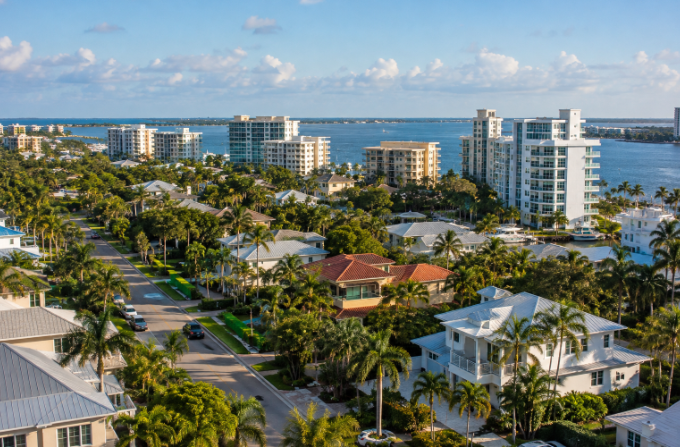
In Sarasota, the right neighborhood can matter just as much as the right floor plan. A waterfront view, a downtown address, a quiet inland street, or a maintenance-light condo can each create a very different day-to-day experience. Before falling for listing photos, decide what kind of life you want the home to support.
Buyers reviewing Houses for Sale in Sarasota FL can use Melissa Gissinger’s local home-search page to explore listings across Sarasota and nearby communities, including South Sarasota, Siesta Key, Longboat Key, and Lakewood Ranch. As a Sarasota real estate professional, Melissa Gissinger provides neighborhood-focused search resources to help buyers compare property types, locations, and practical ownership considerations before narrowing their choices.
Start With Lifestyle, Not the Listing
A beautiful house can still be a poor fit if the location complicates your routine. Sarasota buyers may be looking for a full-time residence, a seasonal retreat, a rental-friendly property, or a condo that reduces exterior maintenance. Make a short scorecard before touring homes, then use it consistently for every neighborhood you consider.
Define Your Daily Priorities
Rank the features that will affect your normal week, rather than only the features that stand out during a showing. Your priorities may include:
- Convenient access to beaches, boating, golf, parks, or the Legacy Trail.
- Walkability to downtown dining, arts venues, shops, and waterfront parks.
- Quiet streets, larger lots, mature landscaping, or greater privacy.
- New construction, modern systems, and less immediate renovation work.
- Proximity to schools, medical care, grocery stores, and major roads.
- Space for visitors, hobbies, pets, home offices, or seasonal storage.
For example, a buyer who regularly attends downtown events may value a smaller residence near central Sarasota more than a larger home with a longer drive. Another buyer may gladly trade walkability for a larger yard or a newer home farther east.
Compare Property Types Along With Neighborhoods
Neighborhood character and property type are closely connected. A detached house, villa, townhome, condominium, and newly built home can all have different costs, responsibilities, rules, and target audiences for resale.
- Detached homes: Usually offer more privacy and control over the property, but the owner commonly manages the roof, exterior, landscaping, pool, and repairs.
- Condos: Can simplify some exterior responsibilities and may offer shared amenities, but buyers should review association fees, reserves, insurance arrangements, rental limits, and potential assessments.
- Townhomes and villas: Often sit between condos and detached homes, combining a lower-maintenance lifestyle with varying degrees of shared responsibility.
- New construction: May offer newer systems and current design features, while buyers should still review builder warranties, community fees, construction activity, and any unfinished amenities.
A lower purchase price does not automatically create a lower monthly cost. Compare the expected mortgage payment with property taxes, insurance, association charges, utilities, lawn care, and a reasonable reserve for repairs.
Look Beyond the Asking Price
Use the list price as a starting point, not the whole budget. Ask for estimates early, especially when comparing a coastal home, a condo with substantial monthly dues, or an older property that may need near-term work. Include mortgage costs, taxes, homeowners insurance, flood insurance when required or desired, utilities, maintenance, and any community fees.
For shared communities, request the current budget, governing documents, reserve information, meeting minutes, and details on approved or discussed assessments. These documents can reveal how the association handles maintenance, capital projects, parking, pets, exterior changes, and rentals.
Review Flood, Wind, and Insurance Details Early
In a Gulf Coast market, proximity to water can influence more than scenery. Flood zone, elevation, roof age, storm protection, drainage, construction details, seawalls, and prior damage can all affect a buyer’s risk review and insurance options. Use the FEMA Flood Map Service Center to begin checking mapped flood information, then discuss property-specific questions with qualified insurance and inspection professionals.
Request insurance quotes before the inspection period ends, rather than treating coverage as a final closing task. Two nearby homes can have different premiums because of their age, roof, openings, elevation, claims history, building features, or the insurer’s underwriting requirements. Ask the seller for available permits, repair records, roof documentation, and information about prior water intrusion or storm-related work.
Test Convenience in Real Conditions
Maps are useful, but they do not show every part of a routine. Drive likely routes to work, school, medical appointments, grocery stores, beaches, and favorite gathering places at the times you would actually travel. Visit on a weekday, in the evening, and on a weekend if possible. Pay attention to traffic flow, bridge routes, noise, lighting, parking, sidewalks, and the ease of entering or leaving the neighborhood.
Also look beyond the home immediately next door. A neighborhood with a high concentration of seasonal residences, short-term rentals, older homes, active redevelopment, condos, or large estates may feel and function differently from one street to another. Review several active listings and recent comparable sales, not just the home that first caught your attention.
Check Rules, Rentals, and Future Plans
Before making an offer, understand the rules that apply to the specific property. Ask about rental minimums, lease approval procedures, pet restrictions, parking, vehicle rules, architectural review, landscaping standards, and move-in requirements. If rental income is part of your plan, confirm the governing documents and applicable local requirements instead of relying on assumptions.
Future development can also influence how an area changes over time. Review zoning, road work, nearby vacant land, public projects, and planned commercial activity through Sarasota County planning and zoning resources. A quiet view, open parcel, or lightly traveled road may not remain unchanged.
Use Market Data at the Right Scale
Countywide market figures can provide context, but they do not establish the value of a specific home. Separate single-family homes from condos and townhomes, compare similar locations and condition levels, and focus on recent nearby sales. Active listings, pending contracts, days on market, price changes, and seller concessions can help shape a strategy, but none should replace a property-specific review.
Build a Simple Sarasota Neighborhood Scorecard
Give each neighborhood a score from one to five in the categories that matter most to your household:
- Location and travel time
- Purchase price and expected monthly cost
- Flood, wind, and insurance outlook
- Home condition and expected maintenance
- Access to services, recreation, and preferred amenities
- Association rules and rental flexibility
- Housing mix, street feel, and privacy
- Resale appeal for your likely future buyer
Questions To Ask During a Showing
- How long has the property been listed, and have there been price changes?
- What repairs, permits, upgrades, or replacements have been completed?
- What are the association fees, rules, and known assessment discussions?
- What insurance information and prior damage disclosures are available?
- How does traffic typically feel during busy times?
- Are short-term or long-term rentals allowed?
- What nearby projects, construction, or land-use changes may affect the area?
Final Checklist Before Choosing a Sarasota Neighborhood
- Visit each area at multiple times of day.
- Calculate the full expected cost of ownership.
- Obtain insurance estimates early.
- Review flood and storm-related property details.
- Read HOA or condominium documents carefully.
- Compare recent local sales with similar homes.
- Check essential travel routes and services.
- Research potential future development.
- Choose the neighborhood that supports your long-term lifestyle, not only the most attractive listing.
Sarasota offers many distinct ways to live, from urban condominium living to established inland neighborhoods and coastal communities. A thoughtful comparison of lifestyle, ownership costs, insurance, rules, convenience, and future plans can clarify the search and help ensure the home continues to work well after closing.